


Daily 10 am to 7 pm
Daily 10 am to 7 pm

or write to us right now:
ANTIQUE JEWELRY BUYER · BEVERLY HILLS
Sell Antique Jewelry in Beverly Hills
Looking to sell antique jewelry? LuxeBrokers evaluates historic and period fine jewelry, antique diamond pieces, signed jewelry, gold and platinum items, and selected collections at our Beverly Hills location.
Antique jewelry should not automatically be valued only by metal weight. Age, maker, craftsmanship, original construction, diamonds and gemstones, condition, provenance, rarity, and current collector demand may all influence what a piece is worth on the secondary market.
Start with clear photographs for a preliminary review, or schedule a private appointment for an in-person evaluation.

Private & discreet

Same-day in-store offers available

No obligation
Antique Jewelry Buyer in Beverly Hills
If you are searching for an antique jewelry buyer in Beverly Hills, the first step should be identifying what you actually have before treating the piece as ordinary used jewelry or scrap metal.
An older ring, brooch, bracelet, necklace, pendant, or pair of earrings can derive value from several different sources.
The precious metal may matter. So can the diamonds or gemstones. But an antique piece may also require attention to its period, construction, maker, surviving original components, condition, rarity, and whether collectors currently seek that type of jewelry.
LuxeBrokers evaluates antique and period jewelry item by item rather than assuming that age alone makes something valuable — or that an old piece is worth only its gold content.
Our Beverly Hills office serves clients from Beverly Hills, Los Angeles, West Hollywood, Santa Monica, Glendale, and nearby communities.
Antique vs. Vintage vs. Estate Jewelry
These terms are frequently used together, but they do not describe exactly the same thing.
Understanding the difference helps determine how a piece should be researched and evaluated.
Understanding the difference helps determine how a piece should be researched and evaluated.
What Is Antique Jewelry?
In the jewelry market, “antique” generally refers to jewelry that is at least 100 years old.
That means genuine antique jewelry can include pieces associated with periods such as Georgian, Victorian, Edwardian, Arts and Crafts, and Art Nouveau, along with early examples from the Art Deco period.
Exact dating should not be assumed from style alone. Later jewelry can imitate historic designs, and original antique pieces can also have been repaired or modified over time.
What Is Vintage Jewelry?
Vintage jewelry is older pre-owned jewelry that has not yet reached antique age.
Depending on the piece, this can include Art Deco, Retro, mid-century, and later twentieth-century jewelry.
Age classifications overlap with style periods, so the physical jewelry — not simply the seller's description — should guide identification.
Depending on the piece, this can include Art Deco, Retro, mid-century, and later twentieth-century jewelry.
Age classifications overlap with style periods, so the physical jewelry — not simply the seller's description — should guide identification.
What Is Estate Jewelry?
Estate jewelry simply refers broadly to previously owned jewelry.
An estate piece can be antique, vintage, or relatively modern.
For the wider category, see our estate jewelry buying service.
An estate piece can be antique, vintage, or relatively modern.
For the wider category, see our estate jewelry buying service.
What Antique Jewelry Do We Buy?
LuxeBrokers reviews multiple types of antique fine jewelry. You do not need to know the exact period or maker before requesting an evaluation.
Antique Rings
We evaluate antique diamond rings, gemstone rings, cluster rings, signet rings, mourning rings, engagement rings, and other period designs.
The setting, construction, stones, metal, age, maker, and condition can all affect how an antique ring should be approached.
A substantial antique diamond may also require an evaluation of the stone independently from the setting.
The setting, construction, stones, metal, age, maker, and condition can all affect how an antique ring should be approached.
A substantial antique diamond may also require an evaluation of the stone independently from the setting.
Antique Brooches and Pins
Brooches can provide particularly useful evidence about historic jewelry construction.
Antique examples may feature diamonds, colored gemstones, pearls, enamel, carved materials, or highly detailed metalwork.
A maker's signature, unusual mechanism, original fittings, or distinctive period craftsmanship may be relevant to value.
Antique examples may feature diamonds, colored gemstones, pearls, enamel, carved materials, or highly detailed metalwork.
A maker's signature, unusual mechanism, original fittings, or distinctive period craftsmanship may be relevant to value.
Antique Necklaces and Pendants
Older necklaces and pendants can range from relatively simple gold pieces to elaborate diamond and gemstone jewelry.
We review the entire piece, including chain construction, clasps, pendant fittings, stones, metal, maker marks, previous alterations, and potential collector demand.
We review the entire piece, including chain construction, clasps, pendant fittings, stones, metal, maker marks, previous alterations, and potential collector demand.
Antique Bracelets and Bangles
Antique bracelets may include hinged bangles, link bracelets, diamond-set designs, gemstone pieces, and signed period jewelry.
Wear to hinges, clasps, links, settings, and safety mechanisms is common in older pieces and should be considered together with originality and overall condition.
Wear to hinges, clasps, links, settings, and safety mechanisms is common in older pieces and should be considered together with originality and overall condition.
Antique Earrings
We evaluate period earrings in matching pairs as well as certain older pieces whose stones or craftsmanship may retain value despite wear or alteration.
Original backs, later replacement fittings, matching quality, gemstones, construction, and maker identification can all matter.
Original backs, later replacement fittings, matching quality, gemstones, construction, and maker identification can all matter.
Signed and Maker-Attributed Antique Jewelry
A recognizable maker can change the appropriate valuation method.
Signed jewelry should be evaluated as a complete piece before anyone assumes its value is primarily based on metal or gemstones.
Authentication cannot be established from a signature alone.
Construction, marks, materials, design, period characteristics, and supporting documentation should agree with the claimed maker.
For later luxury-house jewelry, see our designer jewelry buying service.
Antique Jewelry Periods We Evaluate
Jewelry periods overlap geographically and chronologically, and individual pieces should be identified from the object itself rather than from appearance alone.
However, period characteristics can provide useful context.
However, period characteristics can provide useful context.
Georgian Jewelry
Georgian jewelry refers broadly to pieces produced during the eighteenth and early nineteenth centuries.
Surviving examples may show hand fabrication, older gemstone cutting, closed-back or foiled settings, and construction methods that differ significantly from modern jewelry.
Because genuine Georgian pieces are comparatively old, preservation and originality can be especially important.
Surviving examples may show hand fabrication, older gemstone cutting, closed-back or foiled settings, and construction methods that differ significantly from modern jewelry.
Because genuine Georgian pieces are comparatively old, preservation and originality can be especially important.
Victorian Jewelry
Victorian jewelry spans a long period and includes a wide variety of styles.
Pieces can range from romantic floral designs and colored gemstones to mourning jewelry, lockets, cameos, serpent motifs, diamond pieces, and revival-style jewelry.
Age alone does not establish value. Materials, maker, rarity, condition, construction, and collector interest still matter.
Pieces can range from romantic floral designs and colored gemstones to mourning jewelry, lockets, cameos, serpent motifs, diamond pieces, and revival-style jewelry.
Age alone does not establish value. Materials, maker, rarity, condition, construction, and collector interest still matter.
Edwardian and Belle Époque Jewelry
Edwardian-period fine jewelry is often associated with delicate construction, platinum, diamonds, pearls, garland motifs, bows, ribbons, and highly refined metalwork.
Genuine period pieces can require careful examination because later jewelry has frequently borrowed from the same visual language.
Genuine period pieces can require careful examination because later jewelry has frequently borrowed from the same visual language.
Art Nouveau Jewelry
Art Nouveau jewelry often emphasized artistic design and natural forms.
Examples may feature flowing lines, flowers, insects, female figures, enamel, opals, pearls, horn, glass, and other materials chosen for visual effect rather than simply intrinsic value.
For certain pieces, design, maker, craftsmanship, and originality may matter as much as — or more than — raw material value.
Early Art Deco Jewelry
Art Deco introduced geometric design, strong contrasts, platinum, diamonds, onyx, colored gemstones, and highly structured compositions.
Because the Art Deco period extends across the 1920s and 1930s, not every genuine Art Deco piece is necessarily antique by a strict 100-year definition.
We therefore evaluate the specific jewelry rather than relying only on a broad period label.
Because the Art Deco period extends across the 1920s and 1930s, not every genuine Art Deco piece is necessarily antique by a strict 100-year definition.
We therefore evaluate the specific jewelry rather than relying only on a broad period label.
What Determines the Value of Antique Jewelry?
There is no formula such as “old jewelry equals high value.”
A valuable antique piece usually becomes important because several characteristics work together.
A valuable antique piece usually becomes important because several characteristics work together.
Maker, Signature, and Attribution
Jewelry connected to a recognized maker, workshop, or jewelry house may participate in a different market from unsigned jewelry made from similar materials.
The attribution must be supportable.
A stamped name by itself does not prove authenticity.
The attribution must be supportable.
A stamped name by itself does not prove authenticity.
Period and Authenticity
A genuinely nineteenth-century piece and a twentieth-century reproduction inspired by nineteenth-century jewelry are different objects.
Construction methods, fittings, metalwork, stone settings, hallmarks, repairs, and later alterations can all provide useful evidence when establishing what a piece actually is.
Construction methods, fittings, metalwork, stone settings, hallmarks, repairs, and later alterations can all provide useful evidence when establishing what a piece actually is.
Diamonds and Gemstones
Antique jewelry can contain diamonds cut very differently from modern brilliant-cut stones, as well as rubies, sapphires, emeralds, pearls, opals, and other gems.
Stone identity, quality, size, treatment, condition, cutting style, and how the gemstones relate to the original piece can affect value.
Stone identity, quality, size, treatment, condition, cutting style, and how the gemstones relate to the original piece can affect value.
Craftsmanship and Construction
Hand fabrication, complex settings, enamel work, engraving, carving, articulation, stone setting, and unusual construction may contribute to the desirability of a historic jewel.
Fine craftsmanship does not guarantee a particular selling price, but it can help distinguish an important period piece from ordinary old jewelry.
Fine craftsmanship does not guarantee a particular selling price, but it can help distinguish an important period piece from ordinary old jewelry.
Rarity and Collector Demand
An unusual object can have limited demand, while another period design may attract a strong collector audience.
Rarity only contributes to value when there is a market that appreciates the feature making the item rare.
The current secondary market therefore matters alongside historical interest.
Rarity only contributes to value when there is a market that appreciates the feature making the item rare.
The current secondary market therefore matters alongside historical interest.
Condition and Originality
Wear is normal in antique jewelry.
A piece does not need to look new to retain value.
However, missing stones, replacement components, heavy polishing, altered fittings, resizing, solder repairs, damaged enamel, replaced clasps, or major reconstruction may affect desirability differently depending on the jewelry.
For collector-oriented pieces, originality can be especially important.
Provenance and Documentation
Provenance is the documented history or ownership of an object.
Old receipts, photographs, estate inventories, auction records, correspondence, maker documents, previous catalog descriptions, and other records may provide useful context.
A family story can be an important lead, but documented provenance is stronger evidence than an unsupported story.
Old receipts, photographs, estate inventories, auction records, correspondence, maker documents, previous catalog descriptions, and other records may provide useful context.
A family story can be an important lead, but documented provenance is stronger evidence than an unsupported story.
Antique Diamonds and Gemstones Need Individual Evaluation
One of the biggest mistakes with old jewelry is assuming that every diamond or gemstone should be valued using the same approach as a newly manufactured piece.
Old Mine and Old European Cut Diamonds
Antique and vintage jewelry can contain historic diamond cuts such as old mine and old European cuts.
Their proportions and appearance can differ noticeably from modern round brilliant diamonds.
The fact that a diamond has an older cutting style does not establish its value by itself. Carat weight, color, clarity, condition, shape, cut character, natural origin, documentation, and present market demand still matter.
Colored Gemstones
Rubies, sapphires, emeralds, opals, pearls, and other gemstones can require their own assessment.
With important stones, questions can include whether the gemstone is natural, whether it has been treated, its quality and condition, and whether laboratory testing would materially improve identification.
Avoid removing gemstones from an antique setting solely to make them easier to examine before the complete piece has been reviewed.
The original relationship between a stone and its setting may itself be relevant.
Do Not Restore Antique Jewelry Before an Evaluation
Making an old piece look newer does not automatically make it worth more.
Before selling antique jewelry, avoid unnecessary restoration until you understand what the object is.
Before selling antique jewelry, avoid unnecessary restoration until you understand what the object is.
Avoid Aggressive Polishing
Heavy polishing can soften engraving, edges, maker marks, surface details, and original finishes.
Patina and signs of age are not automatically defects that need to be removed.
Patina and signs of age are not automatically defects that need to be removed.
Do Not Replace Components Automatically
An old clasp, pin fitting, stone, chain section, or other component may look inconvenient compared with a modern replacement, but original hardware can help explain a piece's age and construction.
Repair may eventually be appropriate, but it should not be assumed before evaluation.
Repair may eventually be appropriate, but it should not be assumed before evaluation.
Do Not Reset the Stones First
Removing diamonds or gemstones from an antique piece can permanently change it.
If the jewelry has historical, maker, design, or collector value as a complete object, dismantling it simply to price individual components may destroy part of that value.
If the jewelry has historical, maker, design, or collector value as a complete object, dismantling it simply to price individual components may destroy part of that value.
What Documents Should You Bring With Antique Jewelry?
You can request an evaluation without paperwork.
However, keep any potentially relevant documentation with the piece.
Helpful items can include:
An old appraisal can contain useful descriptive information even when its monetary value no longer represents today's resale market.
If a previous appraisal is shaping your expectations, read our guide to jewelry appraisal vs. resale value.
However, keep any potentially relevant documentation with the piece.
Helpful items can include:
- previous appraisals;
- original receipts;
- auction records;
- old photographs;
- estate inventories;
- gemstone or diamond laboratory reports;
- maker documentation;
- repair records;
- correspondence relating to the piece;
- original fitted boxes or cases.
An old appraisal can contain useful descriptive information even when its monetary value no longer represents today's resale market.
If a previous appraisal is shaping your expectations, read our guide to jewelry appraisal vs. resale value.
How to Sell Antique Jewelry to LuxeBrokers
Step 1 — Send Detailed Photos or Book an Appointment
For a preliminary online review, photograph:
Request an Online Evaluation
- the complete front of the piece;
- the back;
- clasps, hinges, and fittings;
- hallmarks and maker marks;
- diamonds and gemstones;
- visible repairs or damage;
- accompanying boxes and paperwork.
Request an Online Evaluation
Step 2 — We Review the Relevant Value Drivers
The appropriate evaluation depends on the specific jewelry.
We may consider its materials, gemstones, maker, period characteristics, construction, condition, previous alterations, documentation, rarity, and current resale demand.
An online estimate is preliminary. Important antique pieces may require physical inspection before a final purchase offer can be made.
Step 3 — Receive an Offer and Decide
If LuxeBrokers is interested in purchasing the piece, you receive an offer after the necessary evaluation and verification.
There is no obligation to sell.
If you accept the final offer and the required checks are complete, same-day payment may be available.
See how selling to LuxeBrokers works.
There is no obligation to sell.
If you accept the final offer and the required checks are complete, same-day payment may be available.
See how selling to LuxeBrokers works.
Selling One Antique Piece or an Entire Collection
The process can be adapted to a single item or a larger group of jewelry.
Selling a Single Antique Jewel
For one significant ring, brooch, necklace, bracelet, or pair of earrings, detailed photographs and any available documentation can help begin identification.
If the piece appears important, an in-person evaluation may be the most useful next step.
If the piece appears important, an in-person evaluation may be the most useful next step.
Selling an Antique Jewelry Collection
Do not divide a collection into “valuable” and “worthless” groups solely by appearance before the pieces have been reviewed.
A modest-looking signed object can deserve more attention than a visually impressive but common piece.
For larger groups, we can review items individually and distinguish pieces whose value is driven by collectible, gemstone, designer, or period characteristics from those valued more heavily for their materials.
Antique Jewelry From an Inheritance or Estate
Many antique pieces reach their current owners through an estate.
If you inherited the jewelry and are still sorting the collection, see our dedicated guide and service for selling inherited jewelry.
If your collection contains antique, vintage, and modern items together, our broader estate jewelry service may also be relevant.
If you inherited the jewelry and are still sorting the collection, see our dedicated guide and service for selling inherited jewelry.
If your collection contains antique, vintage, and modern items together, our broader estate jewelry service may also be relevant.
Why Sell Antique Jewelry to LuxeBrokers?

We Look Beyond Metal Weight
Antique jewelry should first be identified as jewelry.
If period, maker, gemstones, craftsmanship, rarity, or collector demand create value beyond the materials, those characteristics deserve consideration before the piece is reduced to gold or platinum weight.
If period, maker, gemstones, craftsmanship, rarity, or collector demand create value beyond the materials, those characteristics deserve consideration before the piece is reduced to gold or platinum weight.
Clear, Market-Based Offers
Historical importance, sentimental value, an insurance appraisal, a dealer's retail price, and an immediate resale offer are not necessarily the same number.
Our purchase evaluation focuses on the actual piece and the current market relevant to it.
Our purchase evaluation focuses on the actual piece and the current market relevant to it.

Experience With Multiple Jewelry Categories
Historic pieces can cross categories.
An antique ring can simultaneously be a diamond asset, a period object, a signed jewel, and a platinum piece.
A mixed estate can include designer jewelry, loose stones, watches, and material-value gold alongside collectible objects.
Evaluating these categories together helps identify the characteristics that matter for each item.

Private Beverly Hills Evaluations
We offer private evaluations at our Beverly Hills location.
You can begin with photographs, arrange an appointment, review the offer, and decide whether selling is appropriate without an obligation to proceed.
You can begin with photographs, arrange an appointment, review the offer, and decide whether selling is appropriate without an obligation to proceed.
Related Antique, Estate, and Jewelry Services
Depending on what you own, these LuxeBrokers services may also be useful:
If you are still determining whether an older item deserves specialist attention, read How to Tell If Your Jewelry Is Valuable.
- Estate Jewelry — pre-owned, vintage, antique, signed, and estate pieces.
- Inherited Jewelry — jewelry received through an inheritance or family estate.
- Designer Jewelry — signed luxury-house jewelry.
- Fine Jewelry — rings, necklaces, bracelets, earrings, and other fine jewelry.
- Diamonds— loose and mounted diamonds.
- Gold Jewelry — gold pieces where purity, weight, gemstones, brand, and complete-item value may be relevant.
If you are still determining whether an older item deserves specialist attention, read How to Tell If Your Jewelry Is Valuable.
FAQ — Frequently Asked Questions About Selling Antique Jewelry
LuxeBrokers evaluates antique, estate, diamond, signed, gold, and platinum jewelry at 131 N Robertson Blvd, Beverly Hills, CA 90211. You can submit photographs for a preliminary online review or schedule a private in-person appointment.
Antique jewelry is generally understood in the jewelry market to mean jewelry at least 100 years old. Exact dating should be verified from the piece itself because newer jewelry can imitate older styles and historic jewelry may have been altered over time.
No. Estate jewelry is a broader term for previously owned jewelry and can be antique, vintage, or modern. Antique jewelry refers specifically to substantially older historic pieces.
No. Age alone does not guarantee significant resale value. Maker, materials, gemstones, period, rarity, craftsmanship, condition, originality, provenance, and actual collector demand can all matter.
Period identification can involve construction, metalwork, gemstone cuts, motifs, clasps, hinges, hallmarks, maker marks, and other physical evidence. Visual style alone is not always enough because later jewelry frequently reproduces historical designs.
LuxeBrokers can review Victorian-period fine jewelry, including rings, brooches, necklaces, bracelets, earrings, diamond pieces, gemstone jewelry, and other qualifying items.
Yes, qualifying Edwardian and Belle Époque jewelry can be submitted for evaluation. Platinum, diamonds, pearls, fine construction, maker, condition, and originality may all be relevant.
Qualifying Art Nouveau jewelry can be reviewed. Design, maker, enamel, gemstones, materials, craftsmanship, originality, and collector demand may be more important than metal weight alone for some pieces.
Yes, qualifying early Art Deco pieces can be reviewed. Because the Art Deco period spans years that do not all meet a strict 100-year antique threshold, we identify and evaluate the specific piece rather than relying only on the label.
They can. Antique diamonds require individual evaluation based on the stone's characteristics, condition, cutting style, size, natural origin, documentation where available, and current market demand.
Usually there is no reason to aggressively polish an antique piece before an initial evaluation. Heavy polishing can remove original surface characteristics, soften engraving, or affect hallmarks and fine details.
Yes. Previous appraisals, receipts, photographs, boxes, and other records may help with identification or provenance, but you can begin an evaluation without them.
Documented provenance can be relevant, particularly for important or collectible jewelry. The significance depends on what the documentation establishes and whether the history matters to buyers in that market.
Yes. Damage does not automatically eliminate value. The result depends on the specific piece, maker, gemstones, rarity, originality, extent of damage, and whether restoration or component value is relevant.
Ready to Sell Antique Jewelry?
Whether you have one period ring, a Victorian brooch, an Edwardian diamond piece, signed antique jewelry, or a collection of older items, the first step is understanding what the jewelry actually is.
Send clear photographs for a preliminary review or schedule a private appointment at our Beverly Hills location.
Send clear photographs for a preliminary review or schedule a private appointment at our Beverly Hills location.
Free online appraisal
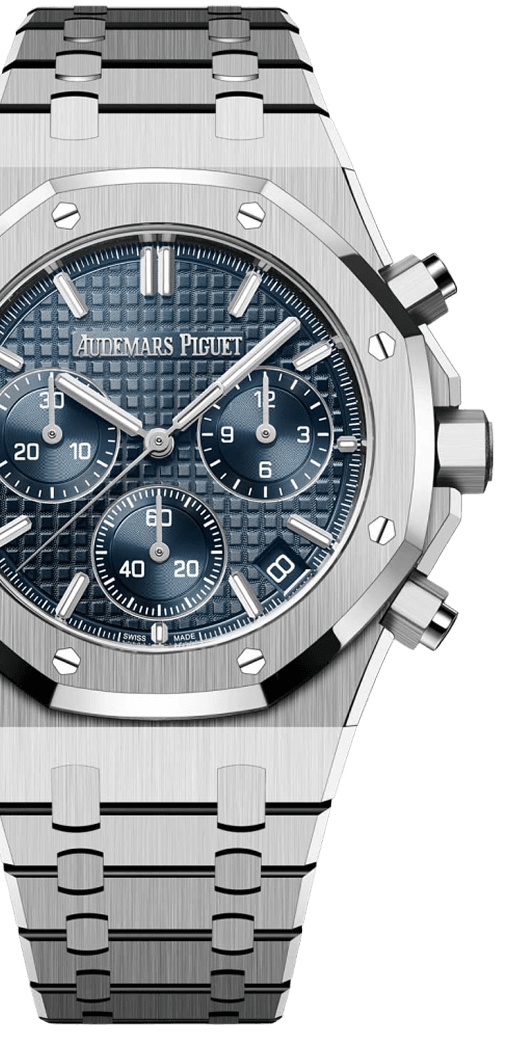
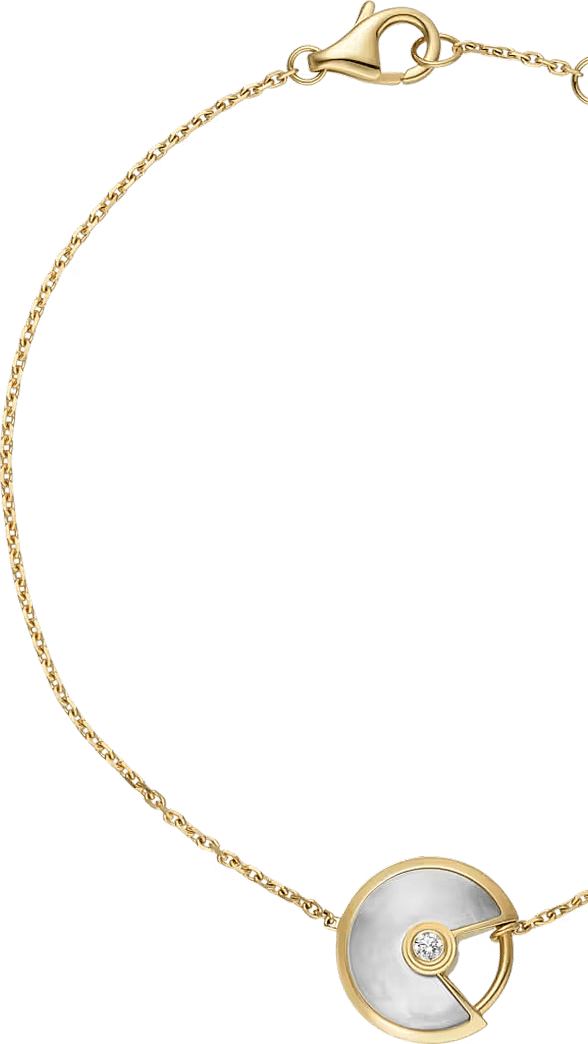
Visit Our Beverly Hills Antique Jewelry Buying Location
Our Beverly Hills office serves clients from across Los Angeles and surrounding communities who want to evaluate or sell antique jewelry, estate jewelry, diamonds, designer pieces, gold, and other fine jewelry.