


Daily 10 am to 7 pm
Daily 10 am to 7 pm

or write to us right now:
INHERITED JEWELRY BUYER · BEVERLY HILLS
Sell Inherited Jewelry in Beverly Hills
Inherited jewelry you do not plan to keep? LuxeBrokers evaluates and buys inherited fine jewelry, diamonds, designer pieces, gold and platinum jewelry, vintage items, and complete estate collections in Beverly Hills, California.
You do not need to know exactly what each piece is before contacting us. Start by sending clear photos for a preliminary review, or schedule a private appointment and bring the jewelry as you received it.
We evaluate each item individually so valuable diamonds, gemstones, designer signatures, craftsmanship, and collectible pieces are not automatically reduced to metal weight alone.

Private & discreet

Same-day in-store offers available

No obligation
Inherited Jewelry Buyer in Beverly Hills
If you are looking for a place to sell inherited jewelry in Beverly Hills, the first challenge is often not selling it — it is understanding what you actually inherited.
A family jewelry box may contain very different types of value in the same collection: an unsigned gold chain, a diamond ring, a signed designer bracelet, an older brooch, loose gemstones, pearls, or pieces that appear valuable but are difficult to identify without inspection.
Treating every item the same way can lead to important details being overlooked.
LuxeBrokers reviews inherited jewelry according to the characteristics that matter for that particular piece. Depending on the item, that may include precious-metal content, diamond or gemstone quality, designer signatures, age, construction, condition, rarity, or current resale demand.
You can sell one item, several selected pieces, or request an evaluation of a larger inherited collection.
Our Beverly Hills location also serves clients from Los Angeles, West Hollywood, Santa Monica, Glendale, and surrounding communities.
What to Do Before You Sell Inherited Jewelry
Before cleaning, repairing, separating, or selling inherited jewelry, preserve as much information about the collection as possible.
You do not need to become a jewelry expert. A few simple steps can make the evaluation more accurate and reduce the risk of accidentally removing something useful.
You do not need to become a jewelry expert. A few simple steps can make the evaluation more accurate and reduce the risk of accidentally removing something useful.
Keep Jewelry, Boxes, and Paperwork Together
If you received original boxes, receipts, grading reports, previous appraisals, photographs, service records, or handwritten notes with the jewelry, keep them with the collection.
Paperwork does not automatically establish current resale value, but it can help identify a designer, gemstone, model, purchase history, or previous description of the piece.
Original packaging may also be useful for authenticated designer jewelry.
Paperwork does not automatically establish current resale value, but it can help identify a designer, gemstone, model, purchase history, or previous description of the piece.
Original packaging may also be useful for authenticated designer jewelry.
Do Not Clean, Polish, or Repair Everything First
Inherited pieces do not need to look new before an evaluation.
Aggressive polishing can remove surface details, hallmarks, patina, or evidence of original finishing. Resetting stones, replacing components, removing engraving, or paying for repairs may also cost more than the change adds to resale value.
Bring questionable, delicate, vintage, or signed pieces in their current condition whenever possible.
Separate Emotional Decisions From Selling Decisions
You do not have to sell an entire inheritance at once.
Many families first identify pieces they want to keep for sentimental reasons and then evaluate the remaining jewelry separately.
If several family members are involved, deciding which items are actually available for sale before requesting a final offer can make the process clearer for everyone.
Many families first identify pieces they want to keep for sentimental reasons and then evaluate the remaining jewelry separately.
If several family members are involved, deciding which items are actually available for sale before requesting a final offer can make the process clearer for everyone.
What Types of Inherited Jewelry Do We Buy?
Inherited jewelry is not a single category. The value of each item can come from very different sources, so we evaluate pieces individually.
Inherited Diamond Rings and Diamond Jewelry
We evaluate inherited engagement rings, wedding rings, diamond earrings, necklaces, bracelets, pendants, and other diamond jewelry.
For significant diamonds, characteristics such as carat weight, cut, color, clarity, shape, natural or lab-grown origin, available grading information, and current market demand may affect value.
The setting itself may also contribute if it is made by a recognized designer or contains additional stones.
Learn more about our diamond jewelry buying services.
Designer and Signed Jewelry
A small signature inside a ring, bracelet, necklace, or brooch can materially change how the piece should be evaluated.
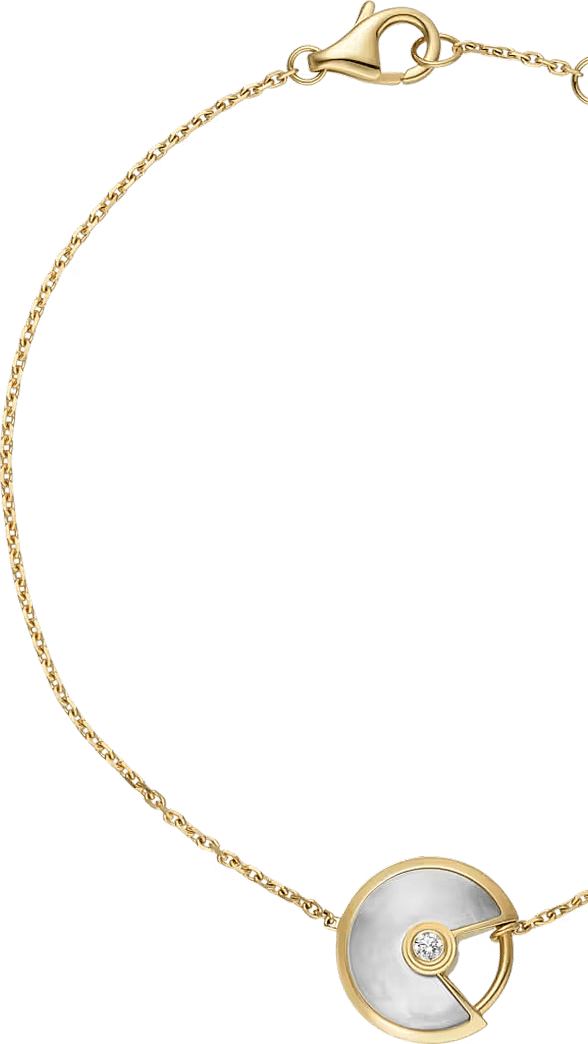
LuxeBrokers buys authentic jewelry from recognized luxury houses including Cartier, Tiffany & Co., Van Cleef & Arpels, Bulgari, Graff, and other established makers.
Designer value depends on authenticity, exact design or collection, condition, materials, completeness, and current resale demand — not simply the presence of a name.
If you find a signature or maker's mark, avoid polishing or altering it before evaluation.
Explore our designer jewelry buying service.
Gold and Platinum Jewelry
Inherited collections commonly contain chains, rings, bracelets, earrings, pendants, charms, cufflinks, and other pieces made from gold or platinum.
For pieces whose value is primarily material-based, purity and weight are important.
However, an older gold piece should not automatically be treated as scrap before checking whether it also has designer, gemstone, vintage, or collectible value.
For material-focused pieces, see our gold jewelry buying service.
Vintage and Estate Jewelry
Some inherited jewelry may also qualify as antique, vintage and estate jewelry.
Era, construction, unusual design, older diamond cuts, craftsmanship, maker signatures, provenance, and collector demand can sometimes influence value beyond precious-metal content.
For a broader category overview, visit our estate jewelry buyer page.
Era, construction, unusual design, older diamond cuts, craftsmanship, maker signatures, provenance, and collector demand can sometimes influence value beyond precious-metal content.
For a broader category overview, visit our estate jewelry buyer page.
Gemstones, Pearls, and Mixed Jewelry Collections
An inherited collection may contain colored gemstones, pearls, loose stones, or items whose materials are not immediately obvious.
Bring pieces you cannot identify along with the jewelry you recognize.
It is often more useful to review the unknown items than to assume they have little value based on appearance alone.
Bring pieces you cannot identify along with the jewelry you recognize.
It is often more useful to review the unknown items than to assume they have little value based on appearance alone.
How Is Inherited Jewelry Valued?
The fact that jewelry was inherited does not create or reduce its market value by itself.
Value comes from the characteristics of the actual item and the current market for comparable pieces.
Depending on the jewelry, we may consider several different factors.
Value comes from the characteristics of the actual item and the current market for comparable pieces.
Depending on the jewelry, we may consider several different factors.
Precious Metal, Diamonds, and Gemstones
For gold or platinum pieces, metal type, purity, and weight may provide part of the value.
For jewelry containing diamonds or gemstones, the stones may need to be evaluated separately from the metal setting.
Two pieces with similar weight can therefore have very different resale values.
For jewelry containing diamonds or gemstones, the stones may need to be evaluated separately from the metal setting.
Two pieces with similar weight can therefore have very different resale values.
Designer, Maker, and Hallmarks
Signatures, maker's marks, assay marks, serial numbers, and other identifying details can help determine what a piece is.
Recognized designer jewelry may have a resale market based on the complete item rather than only its materials.
Marks should be verified rather than assumed to be authentic.
Recognized designer jewelry may have a resale market based on the complete item rather than only its materials.
Marks should be verified rather than assumed to be authentic.
Age, Craftsmanship, and Rarity
Older does not automatically mean more valuable. However, distinctive craftsmanship, unusual construction, rare design, or strong collector interest can make some vintage pieces and antique and period jewelry more desirable. Condition and originality are also important when evaluating collectible jewelry.
Condition and Previous Alterations
Normal wear is expected with older jewelry and does not automatically eliminate value.
Missing stones, damaged clasps, heavy polishing, resizing, replaced components, repairs, and other modifications can influence different pieces in different ways.
That is another reason to avoid making changes before an initial evaluation.
Missing stones, damaged clasps, heavy polishing, resizing, replaced components, repairs, and other modifications can influence different pieces in different ways.
That is another reason to avoid making changes before an initial evaluation.
Current Resale Demand
Market demand matters.
Some designer collections, diamond shapes, jewelry periods, and styles have stronger secondary-market demand than others. The price originally paid — or a value written on an old insurance appraisal — does not by itself establish what the item can sell for today.
Some designer collections, diamond shapes, jewelry periods, and styles have stronger secondary-market demand than others. The price originally paid — or a value written on an old insurance appraisal — does not by itself establish what the item can sell for today.
Inherited Jewelry Appraisal Value vs. Resale Offer
One of the most common sources of confusion when inherited jewelry is being sorted is the difference between an appraisal figure and a current purchase offer.
They are not necessarily measuring the same thing.
They are not necessarily measuring the same thing.
An Old Appraisal Is Useful Information, Not a Guaranteed Selling Price
An insurance appraisal may have been prepared to estimate replacement cost, sometimes years before you inherited the jewelry.
A resale offer answers a different question: what is the piece worth in a current transaction based on its verified characteristics and present market demand?
For that reason, an inherited ring with an appraisal showing a high replacement value may receive a lower resale offer without either number necessarily being incorrect for its intended purpose.
Read our detailed explanation of jewelry appraisal vs. resale value.
Know Why You Need a Value
If you are evaluating jewelry because you may sell it, a current purchase evaluation can help you understand the resale market.
If you need a formal value for probate, tax, insurance, litigation, or distribution among heirs, that can be a different type of valuation with different requirements.
Make sure the professional you use knows the purpose of the valuation before relying on a number for an estate or legal decision.
If you need a formal value for probate, tax, insurance, litigation, or distribution among heirs, that can be a different type of valuation with different requirements.
Make sure the professional you use knows the purpose of the valuation before relying on a number for an estate or legal decision.
Selling One Inherited Item or an Entire Jewelry Collection
You do not have to approach a single inherited ring and a multi-generation jewelry collection in the same way.
Selling a Single Inherited Piece
For one ring, bracelet, necklace, or pair of earrings, start with clear photos and any information you already have.
If the piece appears to contain important diamonds, gemstones, or designer signatures, an in-person inspection may be needed before a final purchase offer can be made.
If the piece appears to contain important diamonds, gemstones, or designer signatures, an in-person inspection may be needed before a final purchase offer can be made.
Selling an Inherited Jewelry Collection
For larger collections, keep the items together initially.
We can review mixed groups containing fine jewelry, designer pieces, diamonds, gold, platinum, watches, and items whose value is not immediately obvious.
Organizing the collection during the evaluation helps separate pieces that may have complete-item or designer value from those valued more heavily for their materials.
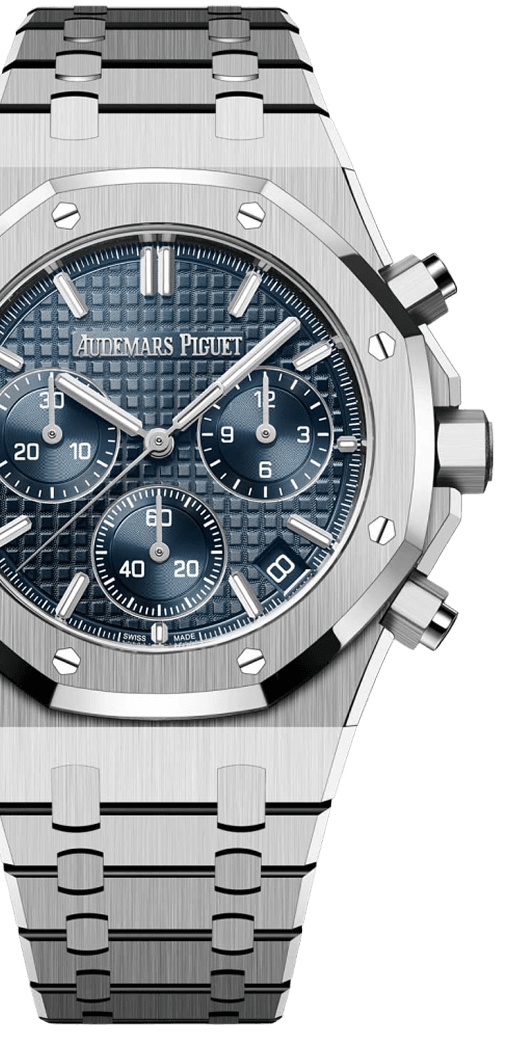
If the collection includes older collector timepieces, inherited vintage watches should be reviewed for reference, originality, dial, case, bracelet, service history, documentation and current collector demand before they are altered or serviced.
Selling Only Part of an Inheritance
You can request an evaluation of specific items without offering the entire collection for sale.
If some pieces have sentimental importance or are being kept by other family members, separate those before finalizing the transaction.
The goal should be to understand the items you are considering selling — not to create pressure to dispose of everything at once.
If some pieces have sentimental importance or are being kept by other family members, separate those before finalizing the transaction.
The goal should be to understand the items you are considering selling — not to create pressure to dispose of everything at once.
How to Sell Inherited Jewelry to LuxeBrokers
Step 1 — Send Photos or Book an Appointment
For an online preliminary review, send clear photographs of the pieces you are considering selling.
For a larger inherited collection, include a photograph of the complete group first and then closer images of individual items that appear signed, diamond-set, unusual, or accompanied by documents.
You can also schedule a private appointment and bring the collection directly to our Beverly Hills office.
Step 2 — We Identify and Evaluate the Relevant Pieces
The evaluation process depends on what the collection contains.
We may review precious-metal marks, diamonds and gemstones, maker signatures, designer details, condition, construction, documentation, and current secondary-market demand.
Pieces are not automatically assigned the same valuation method simply because they came from the same estate.
We may review precious-metal marks, diamonds and gemstones, maker signatures, designer details, condition, construction, documentation, and current secondary-market demand.
Pieces are not automatically assigned the same valuation method simply because they came from the same estate.
Step 3 — Receive an Offer and Decide
After the relevant items have been reviewed, you receive an offer for the pieces LuxeBrokers is interested in purchasing.
You are not required to sell.
If you accept an offer after the necessary inspection and verification are complete, same-day payment may be available.
For an overview of the transaction, see how selling to LuxeBrokers works.
You are not required to sell.
If you accept an offer after the necessary inspection and verification are complete, same-day payment may be available.
For an overview of the transaction, see how selling to LuxeBrokers works.
Can I Sell Inherited Jewelry Without Receipts or Certificates?
Yes. You can start an inherited jewelry evaluation even if you do not have original receipts, certificates, appraisals, or boxes.
It is common for inherited jewelry to arrive with incomplete information.
A ring may have been purchased decades ago. A relative may never have kept the paperwork. A collection may contain pieces from several family members or different periods.
It is common for inherited jewelry to arrive with incomplete information.
A ring may have been purchased decades ago. A relative may never have kept the paperwork. A collection may contain pieces from several family members or different periods.
If You Have Documents, Bring Them
Useful information can include:
- diamond grading reports;
- old appraisals;
- purchase receipts;
- designer boxes or pouches;
- authenticity paperwork;
- service records;
- photographs showing the jewelry in the family;
- notes identifying a maker or previous owner.
If You Know Nothing About the Jewelry
That is normal.
Do not discard a piece because you cannot identify a hallmark, gemstone, metal, or style.
Bring unknown items with the rest of the collection so they can be reviewed before you decide what to keep, sell, or dispose of.
Do not discard a piece because you cannot identify a hallmark, gemstone, metal, or style.
Bring unknown items with the rest of the collection so they can be reviewed before you decide what to keep, sell, or dispose of.
What If Several Heirs or an Estate Are Involved?
Before completing a sale, make sure the person selling the jewelry has the authority to do so.
This can be especially important when jewelry is still part of an estate, ownership is shared among heirs, or an executor or representative is handling the property.
LuxeBrokers can evaluate jewelry from an estate, but questions about legal ownership, probate, tax treatment, or distribution among beneficiaries should be resolved with the appropriate legal or tax professional.
If you are not yet ready to sell, an initial review can still help you understand what types of jewelry are present before the family makes further decisions.
Why Sell Inherited Jewelry to LuxeBrokers?

We Evaluate the Item Before Reducing It to Scrap
Inherited collections often contain different levels of value.
An unsigned broken gold chain and a signed diamond bracelet should not automatically be evaluated using the same method.
We look for the characteristics that can matter to the resale market before determining how each piece should be approached.
An unsigned broken gold chain and a signed diamond bracelet should not automatically be evaluated using the same method.
We look for the characteristics that can matter to the resale market before determining how each piece should be approached.
Clear, Market-Based Purchase Offers
We separate sentimental history, original retail price, insurance values, and current resale value rather than treating them as interchangeable numbers.
The purchase offer is based on the item being evaluated and the market relevant to that item.
The purchase offer is based on the item being evaluated and the market relevant to that item.

Private Beverly Hills Appointments
Inherited jewelry can have both financial and personal significance.
Private appointments provide time to review individual pieces or collections, ask questions, and understand an offer without an obligation to complete the sale.
Private appointments provide time to review individual pieces or collections, ask questions, and understand an offer without an obligation to complete the sale.

One Place for Mixed Collections
An inheritance may contain jewelry, loose diamonds, luxury watches, gold, platinum, and other items together.
LuxeBrokers evaluates multiple luxury asset categories, which can make it easier to review a mixed estate in an organized appointment.
LuxeBrokers evaluates multiple luxury asset categories, which can make it easier to review a mixed estate in an organized appointment.
Related Jewelry and Estate Services
If your inheritance includes different categories of valuables, these LuxeBrokers services may also be relevant:
- Estate Jewelry — vintage, antique, signed, and other estate pieces.
- Fine Jewelry — rings, earrings, necklaces, bracelets, and other fine jewelry.
- Designer Jewelry — signed jewelry from recognized luxury houses.
- Diamonds — loose and mounted diamonds.
- Gold Jewelry — gold jewelry evaluated according to the characteristics of the piece.
- Luxury Watches — watches included in estate or family collections.
FAQ — Frequently Asked Questions About Selling Inherited Jewelry
LuxeBrokers evaluates and buys inherited jewelry at 131 N Robertson Blvd, Beverly Hills, CA 90211. You can begin with photos through the online evaluation form or schedule a private in-person appointment for individual pieces or larger collections.
Look for precious-metal hallmarks, diamonds or gemstones, maker signatures, recognizable designer names, unusual craftsmanship, older construction, original boxes, and supporting paperwork. However, appearance alone is not enough to determine value. An item-specific evaluation is the safest way to understand what you have.
Not necessarily if your immediate goal is to understand a current purchase offer. A formal appraisal may be appropriate for insurance, probate, tax, or other purposes, but appraisal value and resale value are not the same. Determine why you need the valuation before paying for a separate appraisal.
Yes. Original receipts, grading reports, appraisals, and boxes are helpful when available but are not required to begin an evaluation.
Yes. LuxeBrokers can review multiple pieces or mixed estate collections. Individual items may be evaluated differently depending on diamonds, gemstones, metal, designer origin, condition, rarity, and market demand.
Yes. You can keep sentimental pieces and request offers only for the jewelry you are considering selling.
Usually there is no need to professionally polish, repair, resize, or alter jewelry before an initial evaluation. Delicate, vintage, antique, or designer pieces are often better reviewed in their current condition.
Inherited jewelry often falls within the broader estate jewelry category, but the terms describe different things. “Inherited” explains how you acquired the piece, while “estate jewelry” generally refers to previously owned jewelry. An inherited item can be modern, vintage, antique, designer, or material-value jewelry.
Not necessarily. Insurance appraisals often estimate replacement value for a different purpose. A current resale offer depends on the actual item, its condition, verification, and present secondary-market demand.
Yes. LuxeBrokers evaluates inherited diamond rings, including engagement rings, wedding rings, designer rings, and other diamond jewelry.
Some damaged jewelry can still have value. The impact depends on the metal, stones, designer or maker, construction, and the condition of the remaining piece. Have it evaluated before assuming it is only scrap.
Yes. Mixed collections may include luxury watches as well as jewelry, diamonds, gold, and other eligible items. Bringing the collection together can help organize the evaluation.
Ready to Sell Inherited Jewelry?
You do not need to know exactly what every inherited piece is before getting started.
Whether you have one diamond ring, several designer pieces, a box of older jewelry, or an entire collection, LuxeBrokers can help identify the characteristics that matter and provide a purchase evaluation for the items you are considering selling.
Start online with clear photos or schedule a private appointment at our Beverly Hills location.
Free online appraisal
Visit Our Beverly Hills Jewelry Buying Location
Our Beverly Hills office serves clients from across Los Angeles and surrounding communities who want to evaluate or sell inherited jewelry, estate jewelry, diamonds, designer pieces, gold, and luxury watches.