


Daily 10 am to 7 pm
Daily 10 am to 7 pm

or write to us right now:
DIAMOND & TENNIS BRACELET BUYER · BEVERLY HILLS
Sell Diamond & Tennis Bracelets in Beverly Hills
Looking to sell a diamond bracelet or tennis bracelet? LuxeBrokers evaluates diamond tennis bracelets, line bracelets, designer diamond bracelets, multi-row pieces, vintage and estate bracelets, and other fine diamond jewelry at our Beverly Hills location.
A diamond bracelet should not be valued only by its gold or platinum weight. We consider the diamonds, total carat weight, stone quality and consistency, setting construction, precious metal, clasp and condition, designer or maker, documentation, and current resale demand.
Start with clear photographs for a preliminary estimate, or schedule a private in-person evaluation.

Private & discreet

Same-day in-store offers available

No obligation
Diamond Bracelet Buyer in Beverly Hills
If you are searching for a diamond bracelet buyer in Beverly Hills, the most important first step is having both the diamonds and the complete bracelet evaluated.
A classic tennis bracelet may contain dozens of individually set diamonds. Another bracelet may feature fewer but substantially larger stones. A signed designer piece may have resale value beyond the diamonds and precious metal alone.
These pieces should not automatically receive the same valuation method.
LuxeBrokers considers what actually drives the resale potential of each bracelet, including diamond characteristics, total carat weight, matching, construction, metal, condition, designer recognition, and current market demand.
Our Beverly Hills location also serves clients from Los Angeles, West Hollywood, Santa Monica, Glendale, and surrounding communities.
Diamond Bracelets We Buy
LuxeBrokers evaluates multiple diamond bracelet styles. You do not need to know the exact carat weight, diamond grades, or maker before requesting an evaluation.
Diamond Tennis Bracelets
A classic tennis bracelet is generally designed as a flexible continuous line of individually set diamonds.
The diamonds may be round brilliant cuts or other shapes, and the settings are commonly made from white gold, yellow gold, rose gold, or platinum.
For resale, the bracelet is evaluated as more than a collection of small stones.
We consider the total diamond profile, consistency of the stones, precious metal, construction, clasp, overall condition, and how the complete piece fits the current secondary market.
Diamond Line Bracelets
The terms “diamond line bracelet” and “tennis bracelet” can overlap, particularly for bracelets designed as a continuous row of diamonds.
Older line bracelets may also have vintage or estate characteristics that deserve separate consideration.
Period construction, older diamond cuts, unusual settings, maker marks, and condition may become relevant in addition to the diamonds themselves.
Older line bracelets may also have vintage or estate characteristics that deserve separate consideration.
Period construction, older diamond cuts, unusual settings, maker marks, and condition may become relevant in addition to the diamonds themselves.
Multi-Row Diamond Bracelets
Multi-row bracelets can contain a substantial number of diamonds distributed across several lines.
Total diamond weight can be significant, but carat weight alone does not establish resale value.
Diamond quality, consistency, design, craftsmanship, metal, flexibility, clasp construction, brand, and market demand all matter.
Total diamond weight can be significant, but carat weight alone does not establish resale value.
Diamond quality, consistency, design, craftsmanship, metal, flexibility, clasp construction, brand, and market demand all matter.
Diamond Bangles and Cuffs
Diamond bracelets are not limited to flexible tennis styles.
We also evaluate qualifying rigid bangles, cuffs, hinged bracelets, and other diamond-set designs.
For these pieces, complete-item design and construction may contribute more to value than on a simple line bracelet.
We also evaluate qualifying rigid bangles, cuffs, hinged bracelets, and other diamond-set designs.
For these pieces, complete-item design and construction may contribute more to value than on a simple line bracelet.
Fancy-Shape Diamond Bracelets
Some bracelets contain emerald-cut, oval, cushion, radiant, Asscher-cut, pear-shaped, or other fancy-shape diamonds.
Shape, proportions, visual consistency, total carat weight, quality, documentation, and current buyer demand may all affect resale.
Shape, proportions, visual consistency, total carat weight, quality, documentation, and current buyer demand may all affect resale.
Diamond and Gemstone Bracelets
Bracelets can combine diamonds with sapphires, rubies, emeralds, or other gemstones.
In these pieces, the value may come from multiple components rather than from the diamonds alone.
Important gemstones, signed design, period craftsmanship, and the complete jewelry market can all become relevant.
In these pieces, the value may come from multiple components rather than from the diamonds alone.
Important gemstones, signed design, period craftsmanship, and the complete jewelry market can all become relevant.
Designer Diamond Bracelets
Authentic designer diamond bracelets can follow a different resale market from unsigned pieces with similar material weight.
LuxeBrokers evaluates qualifying signed jewelry from recognized luxury houses, taking into account the exact design, authenticity, diamonds, materials, condition, completeness, and current demand.
For the broader signed-jewelry category, visit our designer jewelry buying service.
LuxeBrokers evaluates qualifying signed jewelry from recognized luxury houses, taking into account the exact design, authenticity, diamonds, materials, condition, completeness, and current demand.
For the broader signed-jewelry category, visit our designer jewelry buying service.
What Is a Diamond Tennis Bracelet?
A diamond tennis bracelet is typically a flexible bracelet made from a continuous sequence of individually set diamonds.
The familiar name describes a style, not a specific diamond quality or carat weight.
Two tennis bracelets can look similar while belonging to very different resale markets.
The familiar name describes a style, not a specific diamond quality or carat weight.
Two tennis bracelets can look similar while belonging to very different resale markets.
Total Carat Weight Can Vary Significantly
One bracelet may contain many small diamonds with a modest combined weight.
Another may contain substantially larger individual stones and a much greater total carat weight.
The number written on a receipt or appraisal should therefore be understood as only one part of the evaluation.
Another may contain substantially larger individual stones and a much greater total carat weight.
The number written on a receipt or appraisal should therefore be understood as only one part of the evaluation.
Diamond Shape Can Vary
Round brilliant diamonds are common in tennis bracelets, but they are not the only option.
Emerald, oval, cushion, radiant, Asscher, heart, and other shapes can also appear in line-style bracelets.
The shape and consistency of the stones can affect both design and market demand.
Emerald, oval, cushion, radiant, Asscher, heart, and other shapes can also appear in line-style bracelets.
The shape and consistency of the stones can affect both design and market demand.
Metal Can Vary
Diamond tennis bracelets are commonly made from:
For a substantial diamond bracelet, however, the precious metal may represent only one part of the total resale profile.
- white gold;
- yellow gold;
- rose gold;
- platinum.
For a substantial diamond bracelet, however, the precious metal may represent only one part of the total resale profile.
How Much Is a Diamond Bracelet Worth?
There is no universal resale percentage that applies to every diamond bracelet.
A meaningful offer requires evaluation of the actual piece.
A meaningful offer requires evaluation of the actual piece.
Total Diamond Carat Weight
Total carat weight describes the combined weight of the diamonds included in the bracelet.
That number is useful but incomplete.
For example, two bracelets can both contain approximately the same total carat weight while using very different numbers of stones, different diamond sizes, different grades, and different designs.
Their resale values can therefore differ substantially.
That number is useful but incomplete.
For example, two bracelets can both contain approximately the same total carat weight while using very different numbers of stones, different diamond sizes, different grades, and different designs.
Their resale values can therefore differ substantially.
Diamond Cut
Cut affects how a diamond handles light and how it presents visually.
With bracelets containing numerous stones, buyers may also consider whether the diamonds produce a reasonably consistent appearance across the piece.
With bracelets containing numerous stones, buyers may also consider whether the diamonds produce a reasonably consistent appearance across the piece.
Diamond Color
Color can influence both individual diamond quality and the visual consistency of a bracelet.
On a continuous line of stones, noticeable differences can affect how the complete piece appears.
On a continuous line of stones, noticeable differences can affect how the complete piece appears.
Diamond Clarity
Clarity describes inclusions and blemishes within or on a diamond.
With bracelets, the relevance of individual clarity characteristics depends partly on stone size and whether they noticeably affect appearance or marketability.
With bracelets, the relevance of individual clarity characteristics depends partly on stone size and whether they noticeably affect appearance or marketability.
Diamond Shape and Size
A bracelet with numerous small round diamonds occupies a different market from one containing fewer large emerald-cut or oval diamonds.
Individual stone size, shape, proportions, and total carat weight all need context.
Individual stone size, shape, proportions, and total carat weight all need context.
Natural or Laboratory-Grown Origin
Natural and laboratory-grown diamonds participate in different resale markets.
If you do not know the origin of the diamonds, do not guess. Tell us what you know and allow the evaluation to determine what additional verification may be required.
If you do not know the origin of the diamonds, do not guess. Tell us what you know and allow the evaluation to determine what additional verification may be required.
Setting and Precious Metal
Gold or platinum purity, weight, setting design, construction, and repair requirements may all contribute.
For designer or exceptionally well-made bracelets, the complete object may be more relevant than material value alone.
For designer or exceptionally well-made bracelets, the complete object may be more relevant than material value alone.
Brand and Maker
Signed bracelets from established luxury houses can have secondary-market demand as recognizable designs.
Authenticity, exact collection, materials, condition, documentation, size, and current buyer interest all matter.
Authenticity, exact collection, materials, condition, documentation, size, and current buyer interest all matter.
Current Market Demand
Resale demand changes over time.
The original retail price or an insurance appraisal does not automatically determine what a buyer will pay today.
The relevant question is how the actual bracelet fits the current resale market.
The original retail price or an insurance appraisal does not automatically determine what a buyer will pay today.
The relevant question is how the actual bracelet fits the current resale market.
Why Matching and Consistency Matter in a Tennis Bracelet
A diamond tennis bracelet can contain dozens of stones that need to function visually as one piece.
This makes consistency an important part of evaluation.
This makes consistency an important part of evaluation.
Stone Size
Individual diamonds in a classic tennis bracelet are often selected to produce a consistent line.
Substantial differences in visible size can affect the appearance and marketability of the bracelet.
Substantial differences in visible size can affect the appearance and marketability of the bracelet.
Color
A bracelet may be more visually cohesive when the diamonds appear reasonably consistent in color.
The precise relevance depends on stone size, quality range, design, and how noticeable any variation is when the bracelet is worn.
The precise relevance depends on stone size, quality range, design, and how noticeable any variation is when the bracelet is worn.
Clarity and Appearance
Not every small diamond requires identical clarity characteristics.
The more important question is how the stones present collectively and whether individual diamonds contain issues that affect appearance or durability.
The more important question is how the stones present collectively and whether individual diamonds contain issues that affect appearance or durability.
Shape and Cut Character
Diamonds should also make visual sense together in shape and cutting style.
This becomes especially relevant with fancy-shape bracelets, where differences in proportions or outline can be easier to notice.
This becomes especially relevant with fancy-shape bracelets, where differences in proportions or outline can be easier to notice.
What We Check Across a Diamond Tennis Bracelet
Total Carat Profile
We look at the bracelet's total diamond weight together with the size distribution of the individual stones. Two bracelets with the same total carat weight can be built very differently.
Stone Consistency
We compare visible size, shape, color and overall appearance across the line rather than treating every diamond as unrelated.
Setting Security
Worn prongs, loose diamonds and damaged links can affect both condition and repair requirements.
Flexibility
A tennis bracelet should move correctly through its connected sections without obvious structural failure.
Clasp & Safety
The clasp and safety mechanisms are part of the complete piece and can affect usability, completeness and repair cost.
Brand & Hallmarks
Maker signatures, precious-metal marks and identifiable designer construction can determine whether the bracelet deserves a complete-item valuation rather than a material-only approach.
Diamond Bracelet Certificates and Grading Reports
You can request an evaluation with or without diamond certificates.
Bracelet With Diamond Reports
Higher-value bracelets containing larger individual diamonds may be accompanied by GIA or other laboratory grading reports.
If reports exist, bring them.
The documentation can provide standardized information about individual stones and help clarify the evaluation.
The reports should correspond to the diamonds actually present in the bracelet.
If reports exist, bring them.
The documentation can provide standardized information about individual stones and help clarify the evaluation.
The reports should correspond to the diamonds actually present in the bracelet.
Tennis Bracelet Without Certificates
Many tennis bracelets do not have an individual grading report for every stone.
This is especially common when a piece contains numerous smaller diamonds.
Lack of certificates does not prevent you from requesting an evaluation.
We can review the bracelet and determine which characteristics matter to the potential offer.
This is especially common when a piece contains numerous smaller diamonds.
Lack of certificates does not prevent you from requesting an evaluation.
We can review the bracelet and determine which characteristics matter to the potential offer.
Do Not Remove the Diamonds Just to Get Reports
Do not dismantle a diamond bracelet solely because you believe the diamonds must be loose before anyone can evaluate them.
The setting, complete construction, designer identity, and original configuration may all contribute value.
If additional laboratory grading would be useful for a particularly important stone, that can be considered after the complete bracelet has first been reviewed.
For more information, see our service for selling diamonds without a certificate.
Designer Diamond and Tennis Bracelets
Designer jewelry can require a different evaluation from an unsigned tennis bracelet.
Brand Value Can Matter
Authentic pieces from recognized luxury houses may have a secondary market based partly on the design itself.
Depending on the bracelet, we may consider:
Depending on the bracelet, we may consider:
- designer or maker;
- exact collection or model;
- authenticity;
- diamond characteristics;
- precious metal;
- size or length;
- condition;
- completeness;
- documentation;
- current resale demand.
Keep Original Packaging and Documents
If you have a branded box, receipt, authenticity document, service paperwork, original spare links, or other accessories, keep them with the bracelet.
These items may provide useful identification or completeness information.
These items may provide useful identification or completeness information.
Do Not Dismantle a Signed Bracelet Before Evaluation
Removing diamonds from a recognizable designer bracelet can change what you are selling.
Have the piece evaluated intact before deciding whether the jewelry or individual components represent the stronger market.
Have the piece evaluated intact before deciding whether the jewelry or individual components represent the stronger market.
Setting, Construction, and Clasp Condition Matter
A tennis bracelet is a flexible piece of jewelry containing numerous individual settings and moving connections.
Mechanical condition can therefore affect usability and resale.
Mechanical condition can therefore affect usability and resale.
Diamond Settings
Each diamond needs to be held securely.
Worn prongs, damaged links, bent settings, or loose stones may require repair.
If a diamond appears loose, avoid wearing the bracelet until it has been reviewed.
Worn prongs, damaged links, bent settings, or loose stones may require repair.
If a diamond appears loose, avoid wearing the bracelet until it has been reviewed.
Flexibility and Links
A flexible line bracelet depends on multiple connected sections moving correctly.
Damaged or distorted links can affect appearance, comfort, durability, and repair cost.
Damaged or distorted links can affect appearance, comfort, durability, and repair cost.
Clasp and Safety Mechanism
The clasp is an important functional part of a tennis bracelet.
Depending on the design, the bracelet may also include one or more safety mechanisms.
A worn or broken clasp does not automatically make the bracelet worthless, but it should be included in the condition assessment.
Depending on the design, the bracelet may also include one or more safety mechanisms.
A worn or broken clasp does not automatically make the bracelet worthless, but it should be included in the condition assessment.
Gold or Platinum Construction
Hallmarks can provide useful information about the metal.
Common examples include markings for 14K, 18K, or platinum.
Do not rely on a stamp alone as proof of every characteristic. The actual bracelet still needs to be evaluated.
Common examples include markings for 14K, 18K, or platinum.
Do not rely on a stamp alone as proof of every characteristic. The actual bracelet still needs to be evaluated.
Can You Sell a Broken Tennis Bracelet?
Yes. A broken diamond or tennis bracelet can still have value.
Damage changes condition, but it does not automatically eliminate the value of the diamonds, precious metal, designer identity, or complete piece.
Damage changes condition, but it does not automatically eliminate the value of the diamonds, precious metal, designer identity, or complete piece.
Broken Clasp
A damaged clasp can often be evaluated as a repair issue.
Whether repair makes economic sense before resale depends on the bracelet.
Do not automatically pay for a replacement before obtaining an evaluation.
Whether repair makes economic sense before resale depends on the bracelet.
Do not automatically pay for a replacement before obtaining an evaluation.
Missing Diamond
A bracelet with one or more missing stones can still be reviewed.
The offer may reflect replacement requirements and remaining diamond value.
If you still have the loose missing diamond, bring it with the bracelet.
The offer may reflect replacement requirements and remaining diamond value.
If you still have the loose missing diamond, bring it with the bracelet.
Broken Link or Section
Damage to the flexible structure can affect the cost and feasibility of repair.
For designer or vintage bracelets, original construction can make repair decisions more sensitive.
For designer or vintage bracelets, original construction can make repair decisions more sensitive.
Worn or Damaged Setting
A worn setting may make the diamonds less secure, but the underlying stones and precious metal can still retain value.
Have the bracelet evaluated before assuming it should be sold only as scrap.
Have the bracelet evaluated before assuming it should be sold only as scrap.
Natural and Lab-Grown Diamond Bracelets
Diamond origin can materially affect resale expectations.
Natural and laboratory-grown diamonds are different product categories in the secondary market.
If you have a grading report, it may provide useful origin information.
If you do not have documentation, there is no need to make assumptions before the bracelet is evaluated.
The final market-based assessment should reflect what the diamonds actually are.
Diamond Bracelets From an Estate or Inheritance
Diamond tennis bracelets frequently enter the resale market through an estate or family inheritance.
You may not know the total carat weight, diamond quality, brand, purchase date, or whether the bracelet was originally accompanied by paperwork.
That is not a problem.
You may not know the total carat weight, diamond quality, brand, purchase date, or whether the bracelet was originally accompanied by paperwork.
That is not a problem.
Keep Everything Together
If the bracelet came with:
- an appraisal;
- receipt;
- certificate;
- designer box;
- jewelry pouch;
- repair paperwork;
- old photographs;
- estate records;
Do Not Assume an Old Appraisal Is the Current Selling Price
An insurance appraisal and a current direct-purchase offer serve different purposes.
An older appraisal can still contain useful descriptive information, but its stated value should not automatically be treated as current resale value.
For a detailed explanation, read our Jewelry Appraisal vs. Resale Value guide.
An older appraisal can still contain useful descriptive information, but its stated value should not automatically be treated as current resale value.
For a detailed explanation, read our Jewelry Appraisal vs. Resale Value guide.
Mixed Estate Collections
If the bracelet is part of a larger group containing rings, earrings, necklaces, designer jewelry, watches, or other valuables, the collection can be reviewed item by item.
For broader inherited collections, see our inherited jewelry buying service.
For broader inherited collections, see our inherited jewelry buying service.
What Should You Do Before Selling a Diamond Bracelet?
Preparation should preserve the jewelry rather than change it unnecessarily.
Do Not Remove the Diamonds
Leave the bracelet intact for the initial evaluation.
The complete construction may contribute to value and provides useful information about how the jewelry was originally made.
The complete construction may contribute to value and provides useful information about how the jewelry was originally made.
Do Not Pay for Major Repairs First
A broken clasp, missing diamond, stretched link, or damaged setting may reduce value, but the cost of repair is not automatically justified before a sale.
Obtain an evaluation first.
Obtain an evaluation first.
Avoid Aggressive Polishing
There is usually no need to professionally refinish the bracelet solely for an appraisal.
This is especially important for designer, vintage, and estate pieces where original finishing, marks, or details may be relevant.
This is especially important for designer, vintage, and estate pieces where original finishing, marks, or details may be relevant.
Gather Documentation
If available, bring:
- diamond reports;
- purchase receipt;
- old appraisal;
- designer packaging;
- authenticity documentation;
- repair records;
- spare components;
- estate paperwork.
How to Sell a Diamond Bracelet to LuxeBrokers
Step 1 — Send Photos or Book an Appointment
For a preliminary online estimate, photograph:
Request a Diamond Bracelet Estimate
- the entire bracelet laid flat;
- the bracelet closed;
- diamonds from the front;
- side view of the settings;
- clasp and safety mechanism;
- hallmarks;
- designer signatures;
- visible damage or missing stones;
- certificates and documents, if available.
Request a Diamond Bracelet Estimate
Step 2 — We Evaluate the Diamonds and Complete Bracelet
Depending on the piece, we may consider:
A final offer for higher-value diamond bracelets may require in-person inspection and verification.
- total diamond carat weight;
- individual stone size;
- cut characteristics;
- color;
- clarity;
- shape;
- consistency and matching;
- natural or laboratory-grown origin;
- precious metal;
- construction;
- setting security;
- clasp and flexibility;
- designer or maker;
- condition;
- documentation;
- current resale demand.
A final offer for higher-value diamond bracelets may require in-person inspection and verification.
Step 3 — Receive an Offer and Decide
After evaluation, LuxeBrokers can provide a purchase offer for qualifying pieces we are interested in buying.
There is no obligation to accept.
If you accept the final offer and the necessary transaction checks are complete, same-day payment may be available.
Learn more about how selling to LuxeBrokers works.
There is no obligation to accept.
If you accept the final offer and the necessary transaction checks are complete, same-day payment may be available.
Learn more about how selling to LuxeBrokers works.
Why Sell a Diamond or Tennis Bracelet to LuxeBrokers?

We Evaluate More Than Total Carat Weight
Total carat weight is useful, but it does not describe diamond quality, matching, setting, condition, designer value, or current demand.
We consider the complete profile of the bracelet.
We consider the complete profile of the bracelet.
We Review Damaged Pieces
A broken clasp or missing diamond does not automatically mean the bracelet has only scrap value.
The remaining diamonds, metal, maker, and design can still warrant evaluation.
The remaining diamonds, metal, maker, and design can still warrant evaluation.

We Look at the Diamonds as a Group and Individually
A tennis bracelet is a coordinated piece.
The individual stones matter, but so does how successfully the diamonds work together across the bracelet.
The individual stones matter, but so does how successfully the diamonds work together across the bracelet.

We Evaluate the Complete Jewelry
Diamonds should not automatically be separated from the setting.
Precious metal, construction, designer origin, vintage characteristics, and complete-item resale demand may all contribute.
Precious metal, construction, designer origin, vintage characteristics, and complete-item resale demand may all contribute.
Private Beverly Hills Appointments
You can begin online or schedule a private evaluation at our Beverly Hills location.
We explain the relevant value drivers and provide an offer without an obligation to sell.
We explain the relevant value drivers and provide an offer without an obligation to sell.
Related Diamond and Jewelry Services
Depending on what you are selling, these LuxeBrokers services may also be useful:
For a broader overview of diamond resale factors, read our Diamond Selling Guide.
- Bracelets— gold, designer, gemstone, vintage, charm, and other bracelets.
- Diamonds— loose diamonds and diamond jewelry.
- Diamond Earrings — diamond studs, drops, hoops, designer pairs, and selected single earrings.
- Diamond Rings — engagement rings and other diamond rings.
- Diamonds With a Certificate — diamonds accompanied by grading reports.
- Diamonds Without a Certificate — diamond evaluations without existing grading paperwork.
- Designer Jewelry — signed jewelry from established luxury houses.
- Estate Jewelry— pre-owned, vintage, antique, and estate pieces.
For a broader overview of diamond resale factors, read our Diamond Selling Guide.
FAQ — Frequently Asked Questions About Selling Diamond Bracelets
LuxeBrokers evaluates diamond and tennis bracelets at 131 N Robertson Blvd, Beverly Hills, CA 90211. You can begin with photographs online or schedule a private in-person appointment.
Yes. LuxeBrokers evaluates qualifying diamond tennis bracelets based on the diamonds, total carat weight, consistency, setting, precious metal, construction, condition, documentation, designer where relevant, and current market demand.
There is no universal price based on total carat weight alone. Value can depend on the individual diamonds, their consistency, natural or laboratory-grown origin, metal, condition, construction, brand, documentation, and current resale demand.
Total carat weight is the combined weight of the diamonds counted in the bracelet. It does not tell you the exact size or quality of each individual stone.
Consistency can influence the appearance and marketability of the piece. Buyers may consider visible size, color, clarity, shape, cut character, and how the diamonds look together across the bracelet.
Yes. Many tennis bracelets do not have individual grading reports for every diamond. Certificates can help when available but are not required to begin an evaluation.
Not automatically. The complete bracelet should be evaluated first. Removing stones can affect a designer, estate, or otherwise valuable complete piece.
Yes. Qualifying authentic designer diamond bracelets can be evaluated based on brand, collection, authenticity, diamonds, metal, condition, completeness, and current resale demand.
Yes. A broken clasp, damaged link, or other repair issue does not automatically eliminate value. The diamonds, precious metal, designer or maker, and remaining construction can still matter.
Potentially, yes. Missing stones affect condition and repair requirements, but the remaining bracelet can still have value. Bring any loose original stone if you still have it.
Not necessarily. Have it evaluated first so you can determine whether the repair cost is justified by the expected resale result.
Usually there is no need for aggressive polishing before evaluation. This is especially true for designer, vintage, and estate bracelets.
Yes. Qualifying vintage and estate diamond bracelets can be evaluated. Period, maker, diamonds, construction, originality, condition, and collector demand may all become relevant.
Yes. You do not need to know the diamond grades or exact purchase history before requesting an evaluation. Bring the bracelet together with any documents or packaging that came with it.
Yes. Send clear photographs and known information through LuxeBrokers' online appraisal process. A final offer may require physical inspection and verification.
Ready to Sell Your Diamond or Tennis Bracelet?
Whether you have a classic tennis bracelet, a high-carat diamond line bracelet, a signed designer piece, an estate bracelet, or a damaged bracelet with valuable diamonds, LuxeBrokers can help you understand what drives its current resale potential.
Start with clear photographs for a preliminary estimate or schedule a private evaluation at our Beverly Hills location.
Start with clear photographs for a preliminary estimate or schedule a private evaluation at our Beverly Hills location.
Free online appraisal
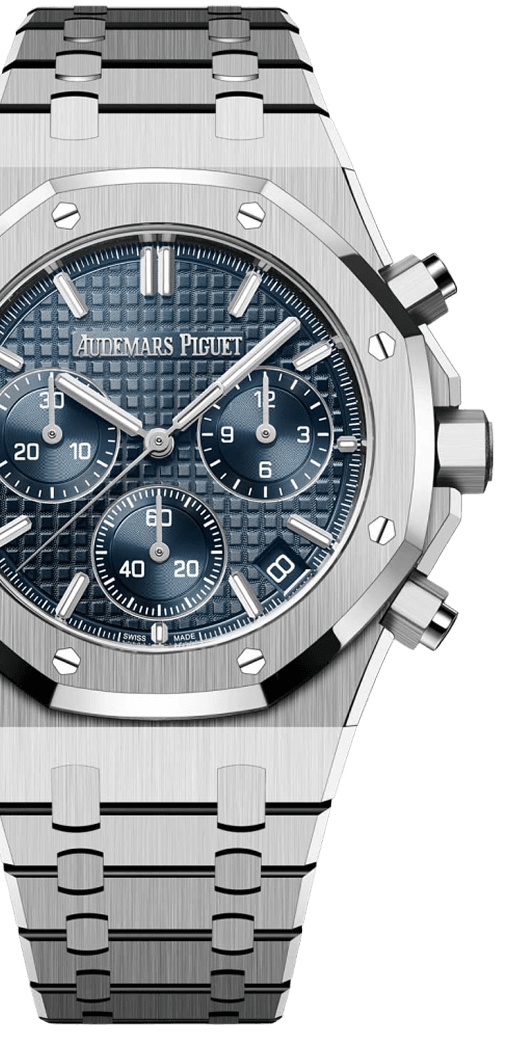
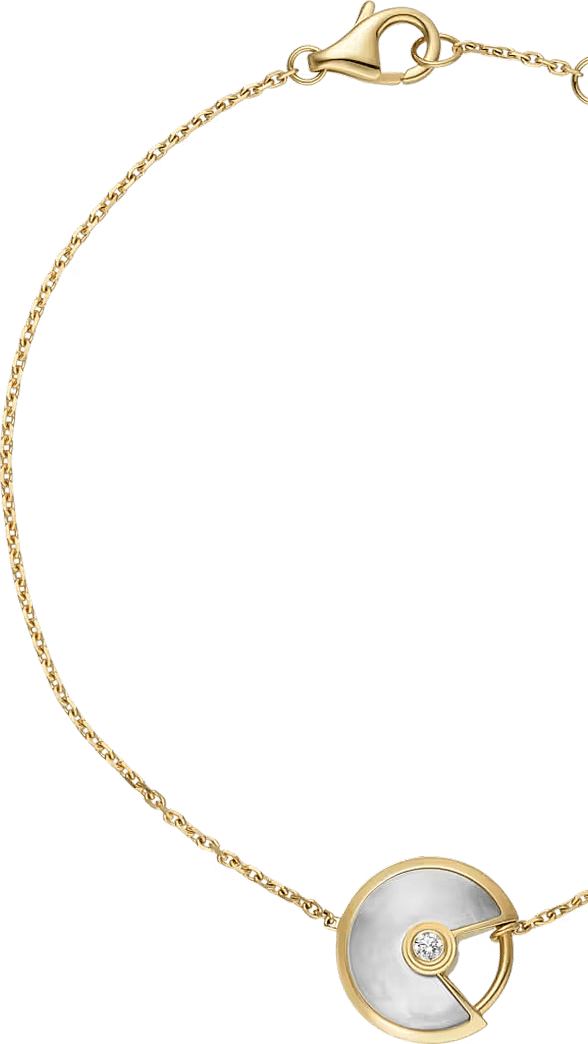
Visit Our Beverly Hills Diamond Bracelet Buying Location
Our Beverly Hills location serves clients from across Los Angeles and surrounding communities who want to sell diamond bracelets, tennis bracelets, loose diamonds, designer jewelry, estate jewelry, and other fine jewelry.